
Leah Pistorius
April 20, 2026
Three first-year doctoral students in the University of Washington’s Department of Human Centered Design & Engineering (HCDE) have been awarded fellowships through the National Science Foundation Graduate Research Fellowship Program.
The prestigious fellowship supports outstanding graduate students pursuing research-based master’s and doctoral degrees in science, technology, engineering, and mathematics. The program provides three years of funding to early-career researchers whose work shows strong potential to advance knowledge and address important societal challenges.
The HCDE students recognized this year are Hanna Barakat, Jessica Jarratt, and Matthew Bilik, whose research spans technology policy, environmental monitoring, and community-engaged research.
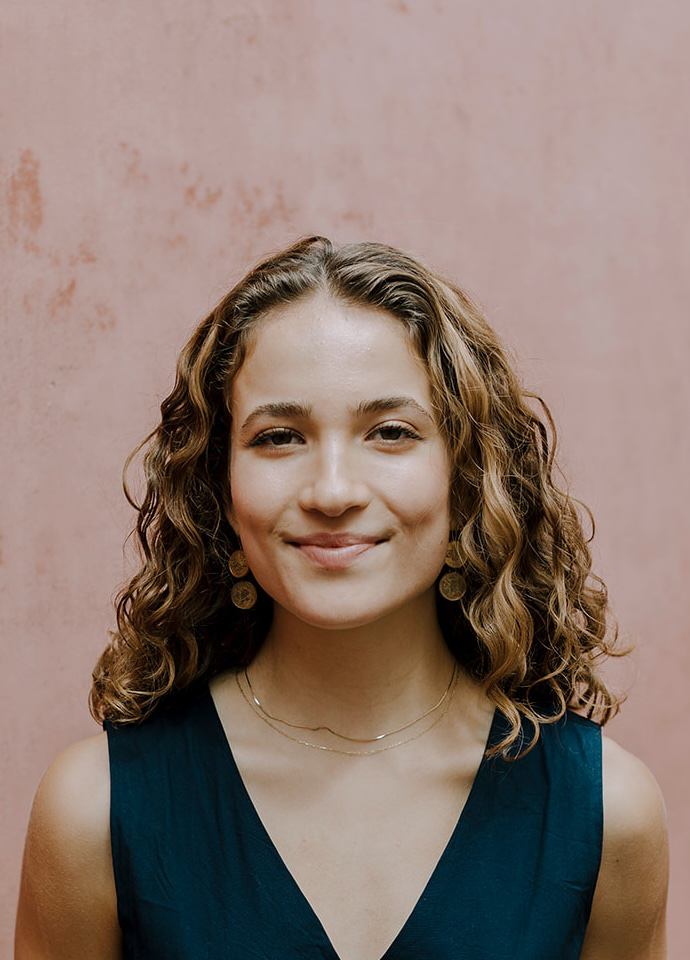
Hanna Barakat
First-year PhD student in HCDE
Research Area
My research brings together Human-Computer Interaction and Science and Technology Studies to examine how emerging technologies reproduce systemic harm, and how systematically marginalized communities creatively engage technology to build alternative futures. I am interested in the intersection between (1) physical infrastructures (such as agriculture technologies, ICT systems, and data centers) and (2) information systems (peer-to-peer networks, and knowledge representation in AI-based technologies). My approach is primarily qualitative with an emphasis on applied, collaborative research. I work with civil society organizations, designers, policymakers, and communities, including urban farmers, home care workers, and data center activists. Through my work, I aim to translate insights across academia, industry, civil society, and community advocacy.
Receiving the NSF GRFP provides stability in a time of uncertainty. Specifically, it gives me the freedom to sustain my critical inquiry by removing the pressure to respond to short funding cycles. Most importantly, the award enables me to engage in long-term, sustained collaboration with community partners, knowing that I will have financial support for this work.
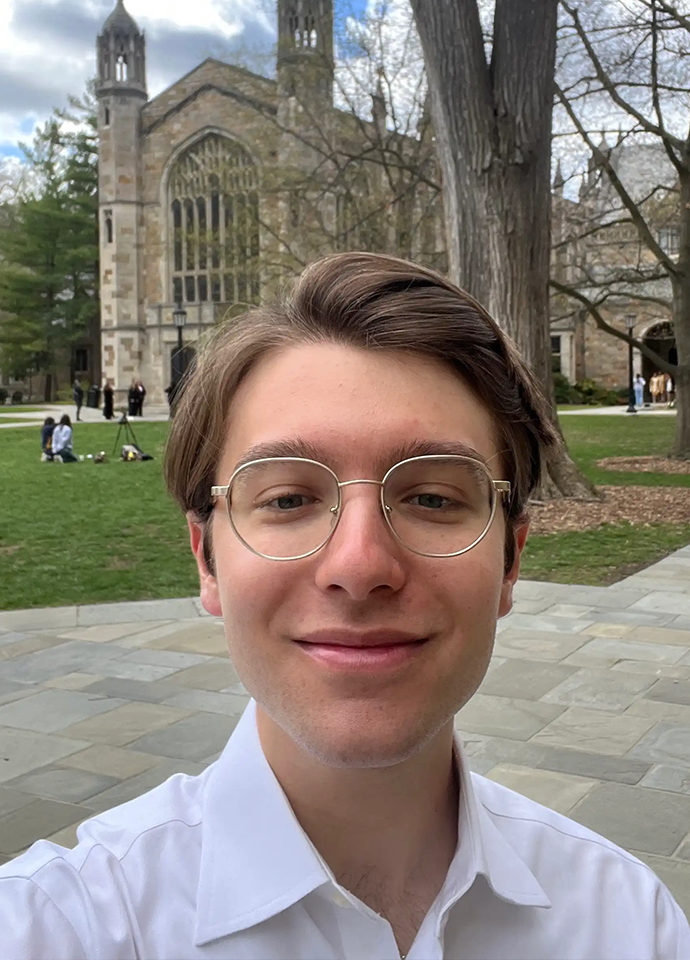
Matthew Bilik
First-year PhD student in HCDE
Research Area
I am interested in applying critical, reflective social science to AI. I am particularly interested in the physical infrastructure that supports AI, the views and practices of researchers and engineers, the AI moment’s historical roots, and AI's implications for security and privacy. I use my findings from this work to inform technology policy.
I am also interested in designing thoughtful alternatives to AI infrastructures and techniques (e.g., data cooperatives) that allow us to realize AI's potential to advance human flourishing. In this line of work, I develop prototypes through community-engaged, participatory methods.
Receiving the NSF GRFP means I can focus on exactly what I want to do without worrying about funding!
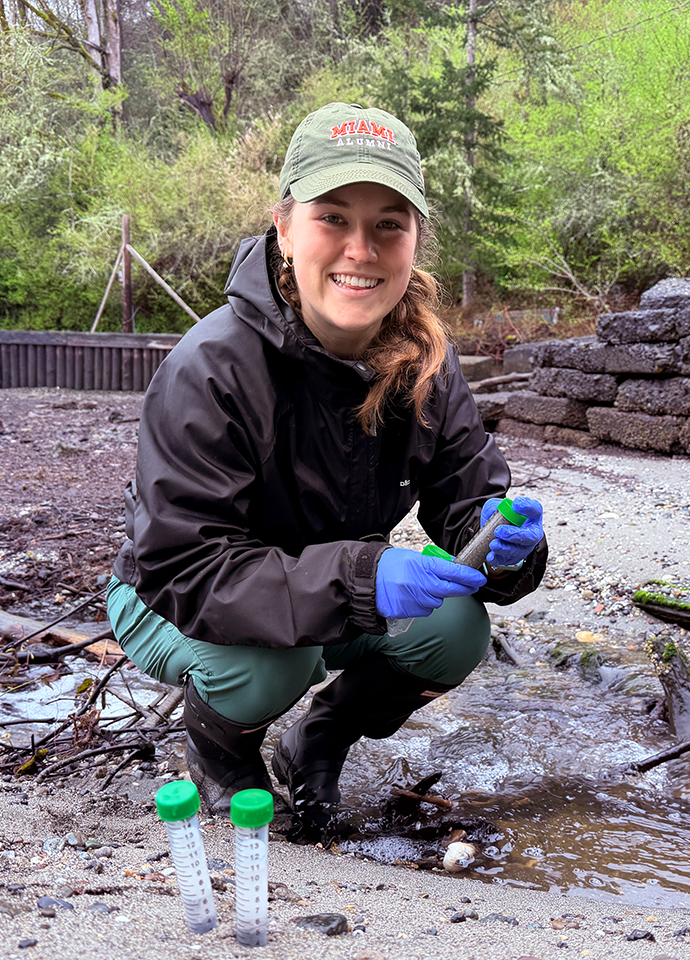
Jessica Jarratt
First-year PhD student in HCDE
Research Area
I develop novel methodology to sample and quantify heavy metals and microplastics in creek systems on Vashon-Maury Island, a region downwind of a heavy metal pollution site in Tacoma. I'm driven by understanding how legacy and emerging contaminants travel through ecosystems, threaten aquatic species and the communities who depend on them, and how community-driven science can push environmental policy forward.
While some residential yards on Vashon have been tested for arsenic and lead, the combined impacts of legacy and emerging contaminants are widely understudied. I'm tackling this gap by integrating my heavy metals and microplastics data with community partner datasets on water quality parameters, benthic invertebrates, organic pollutants like PFAS, and eDNA of threatened Chinook salmon to gain a more comprehensive understanding of aquatic ecosystem health in the Pacific Northwest.
Receiving the NSF GRFP will give me more time to refine analytical methods for both contaminants, build stronger ties with Vashon community partners, and get into the field more consistently across seasons. Longer term, this grant will support my goal of building a career at the intersection of environmental engineering, community-engaged research, and policy.