
Researching and designing technology with people at the center.
Students and faculty in the University of Washington's Department of Human Centered Design & Engineering explore questions involving AI, health, accessibility, sustainability, online communities, data, and other areas where technology intersects with people's lives.
Mission
We build possibility. We advance systems and technologies for people and communities to create accessible, sustainable, and prosperous futures.
We create intersections. We thrive at the critical junction of research, education, and community to cultivate equity, access, and opportunity.
Vision
We believe a just future is possible. We will be the leading academic program integrating empathy and collaboration to design and engineer equitable practices, tools, and technologies across the globe.
Academic programs
Educating the next generation of human-centered leaders.

Bachelor of Science
Design and evaluate technologies that improve lives and communities.

Master of Science
Deepen your expertise in UX research, design, and human-centered innovation.
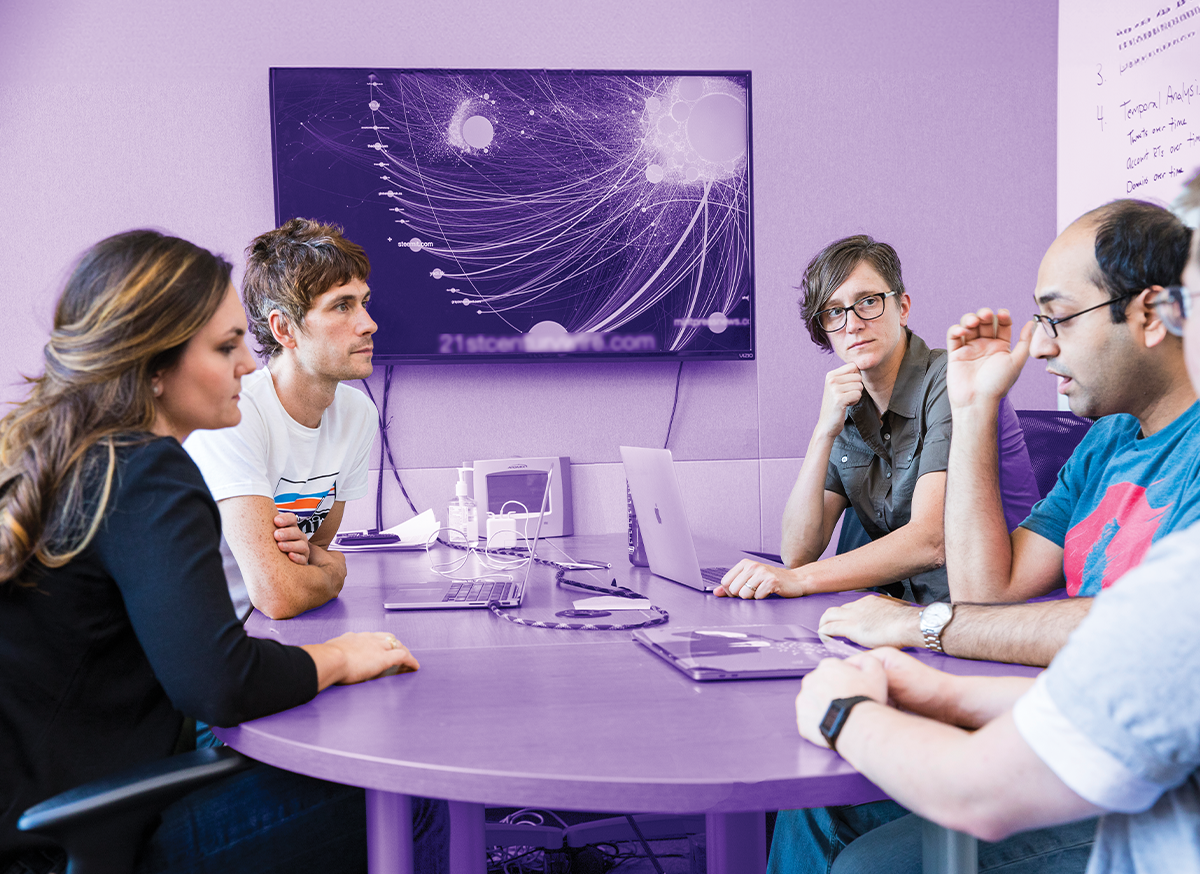
Doctor of Philosophy
Advance the field through original, interdisciplinary research in human-centered design.
Graduate Certificate in User-Centered Design
Build a strong foundation in user experience design and evaluation.
Graduate Certificate in Human-Centered AI
Explore ethical, strategic, and technical dimensions of AI in human contexts.
Student enrollment
2025–2026 Academic Year
| 251 | Master's students | 27 | User-Centered Design Certificate students |
| 68 | PhD students | 211 | Undergraduate students |
Faculty
| 20 | Tenured and tenure-track and research faculty | 6 | Faculty career teaching professors |
| 24 | Joint or adjunct faculty from other UW departments | 24 | Affiliate faculty from industry and external research and educational institutions |
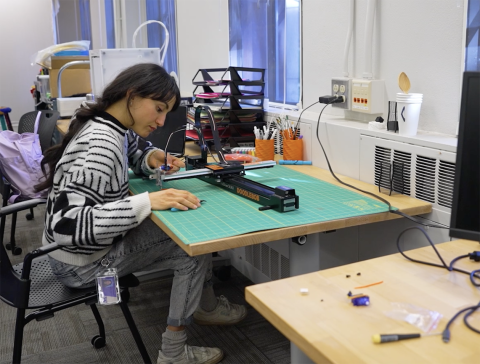
HCDE research
HCDE faculty and students explore human-centered approaches to AI, sustainability, healthcare, data visualization, and more. Their work informs the design of technologies that empower people and strengthen communities.
Explore HCDE research
Industry partnerships
HCDE collaborates closely with industry leaders to bridge academic learning with real-world practice. Through sponsored projects, internships, capstones, and ongoing research collaborations, students and faculty work directly with organizations shaping the future of technology and design.
How to partnerMore about HCDE
Diversity, equity, and inclusion
We are committed to creating learning and research environments where everyone feels respected, supported, and able to thrive.
External advisory board
Leaders from industry, non-profits, and academia provide guidance that helps HCDE align academic programs and research with emerging needs in the field.
K-12 outreach
HCDE partners with schools to bring human-centered design to K–12 classrooms across Washington state through hands-on, community-driven outreach.
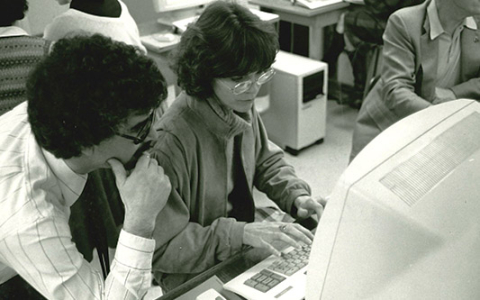
HCDE history
From its origins as a program focused on technical communication to its evolution into a nationally recognized design and engineering department, HCDE has always centered people in the creation of technology. Decades of interdisciplinary collaboration have shaped our curriculum, research, and culture—bringing together engineering, design, social science, and community partnership.
Explore HCDE historyHCDE resides in Seattle on the traditional lands of the Coast Salish peoples, the land which touches the shared waters of all tribes and bands within the Suquamish, Tulalip and Muckleshoot nations. We respectfully acknowledge their stewardship of this land throughout the generations.